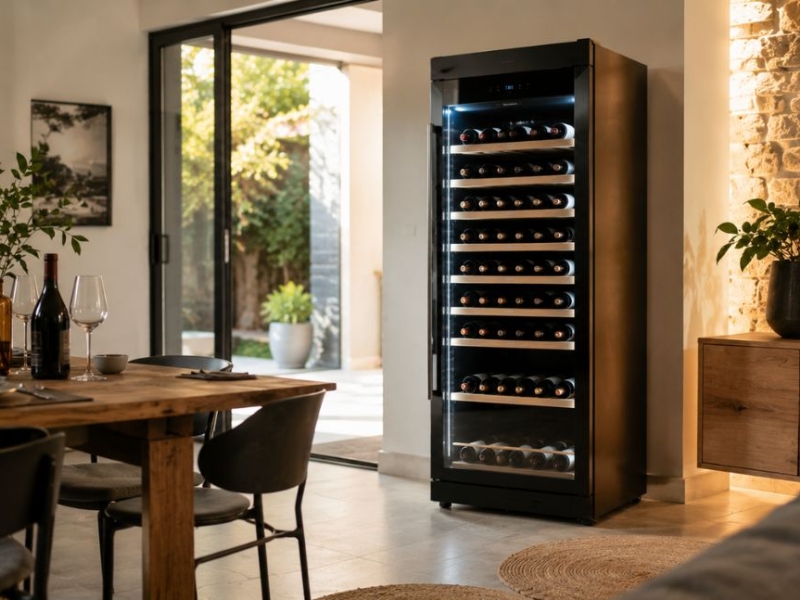
Why isn't the unit cooling anymore?
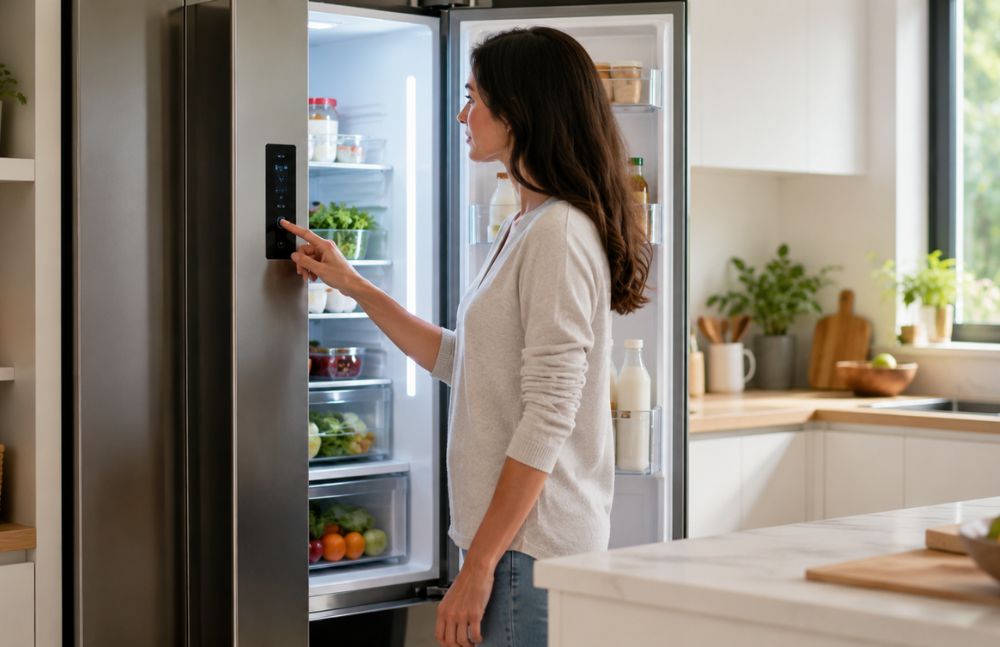
Why isn't an appliance cooling anymore?
When a refrigerator, freezer, wine cooler, or other refrigeration appliance stops producing enough cold, the situation can quickly become a cause for concern.
Before assuming there’s a major breakdown, it’s helpful to understand the various factors that can affect the appliance’s performance.
Many factors related to the environment, daily use, or maintenance can affect cooling performance.
Ambient temperature too high
Refrigeration appliances are designed to operate under specific temperature conditions.
During periods of extreme heat, they must work harder to maintain the desired temperature.
A unit installed in a particularly hot room or exposed to direct sunlight may see its performance decline.
Frequent door openings
Each time the door is opened, warm air enters the appliance.
When the door is opened frequently or left open for extended periods, the refrigeration system must compensate for this rise in temperature.
Intensive use can therefore give the impression that the unit is producing less cold air.
Dirty or worn door seals
The gaskets ensure the appliance is airtight.
When they are dirty or damaged, they can allow air to exchange with the outside.
The refrigeration system then has to work harder to maintain the interior temperature.
Poor air circulation
Air circulation plays a key role in the operation of refrigerators.
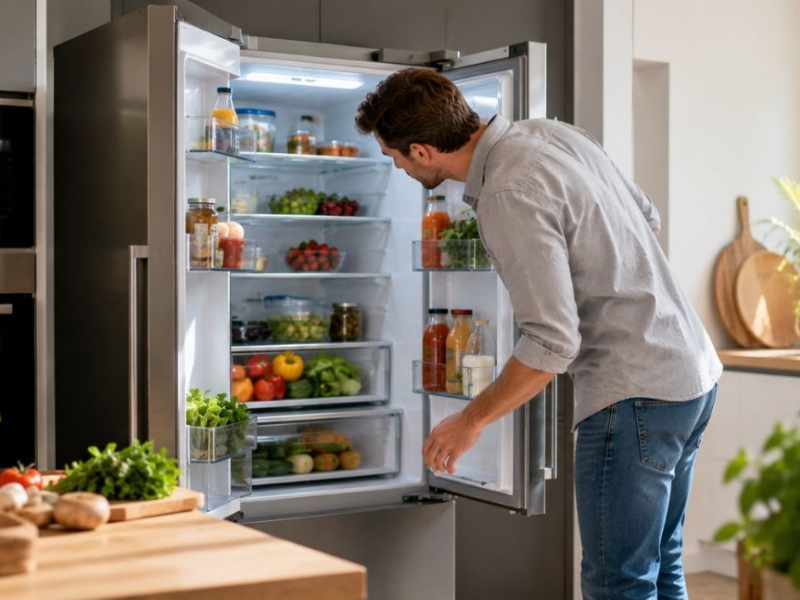
An overloaded or poorly organized appliance can limit even cooling.
It is recommended to follow the manufacturer’s loading guidelines.
Blocked ventilation grilles
Some appliances have vents or ventilation systems designed to release heat.
When these components are dirty or blocked, performance may be affected.
Regular cleaning helps keep the appliance running smoothly.
An appliance requiring maintenance
Like any household appliance, a refrigeration unit requires regular maintenance.
Cleaning surfaces, inspecting seals, and checking ventilation systems help maintain performance.
Commercial equipment is also affected
Refrigerated display cases, medical cabinets, professional wine cellars, or refrigeration equipment used in the food service industry can also experience a decline in performance.
Regular preventive maintenance often helps anticipate certain issues and ensure business continuity.
Why is it important to identify your unit precisely?
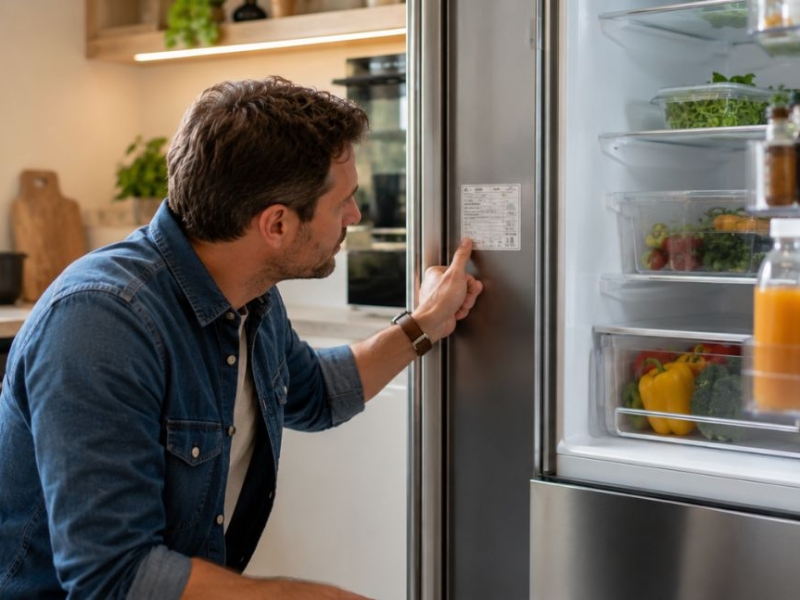
Before requesting service, it is recommended that you have the following information ready:
- The brand;
- The model number;
- The serial number;
- A description of the observed behavior.
This information helps identify the device and enables more efficient service.
FAQ: Unit no longer cooling
Can high temperatures reduce a unit’s performance?
Yes. High temperatures place greater strain on refrigeration systems.
Can gaskets affect cooling performance?
Yes. Poor sealing can lead to cold air loss and increased energy consumption.
Why do you need to clean the ventilation grilles?
They allow heat to escape and help the appliance function properly.
When should you contact a professional?
If performance remains inadequate despite routine checks, or if the unit behaves unusually.
In summary
When an appliance no longer cools sufficiently, several factors may be to blame: the environment, usage, maintenance, or wear and tear on certain components.
Before any service call, a few simple checks can often help you better understand the situation and prepare for a potential service request.
👉 Interfroid Services assists both residential and commercial customers with the maintenance, repair, and monitoring of their refrigeration equipment.