How can you maintain refrigeration equipment in the food service industry?
In the restaurant industry, refrigeration equipment plays a vital role in food preservation and the smooth operation of the business.
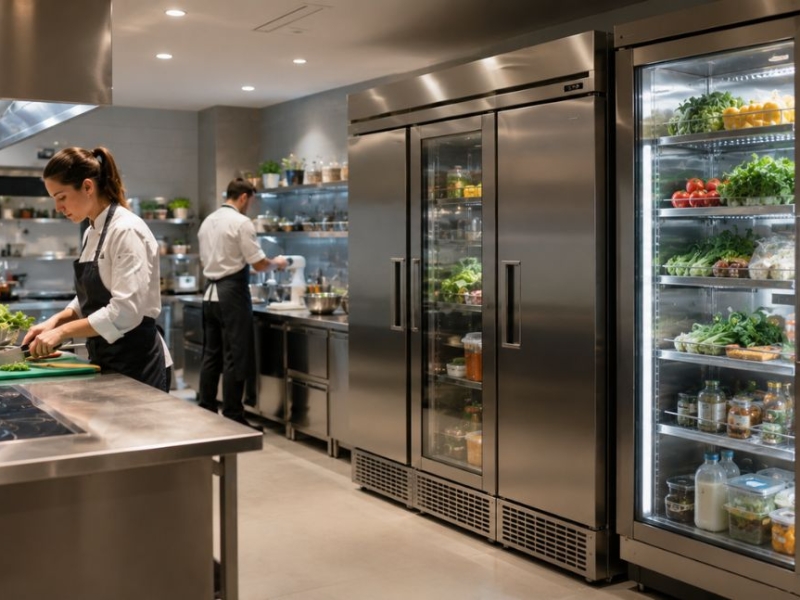
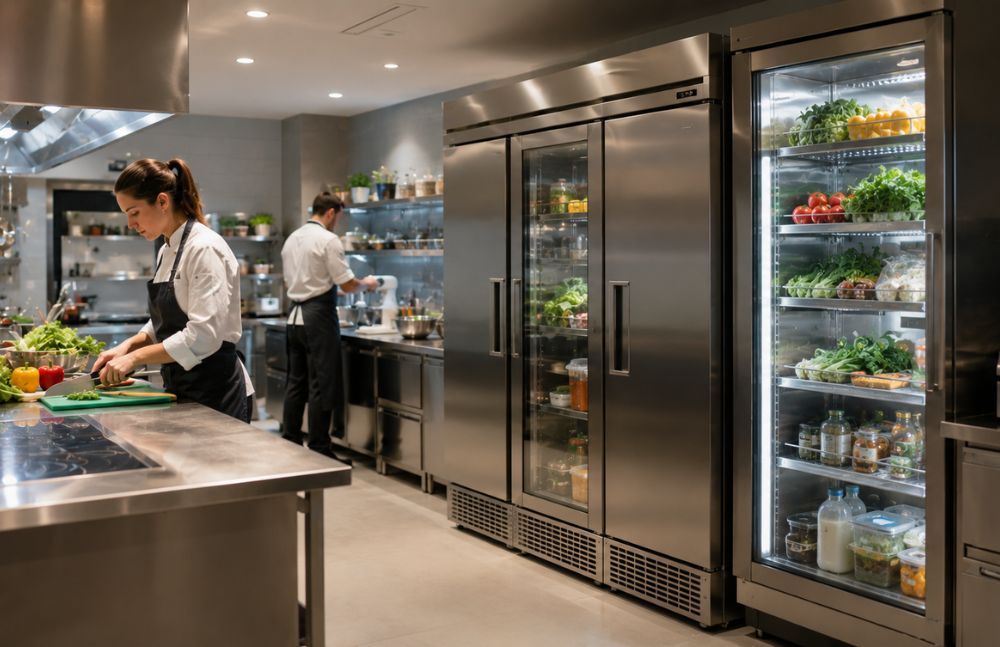
Refrigerated display cases, refrigerated cabinets, refrigerated tables, and beverage coolers are often used intensively throughout the year. Their maintenance and daily use therefore have a direct impact on their performance and lifespan.
Adopting a few best practices helps preserve the equipment while ensuring business continuity.
Equipment Used Continuously
Unlike many household appliances, commercial refrigeration units often operate intensively.
They must maintain stable temperatures despite:
- frequent openings;
- fluctuations in ambient temperature;
- peak periods;
- product storage constraints.
This heavy use makes their maintenance particularly important.
The Importance of Regular Maintenance
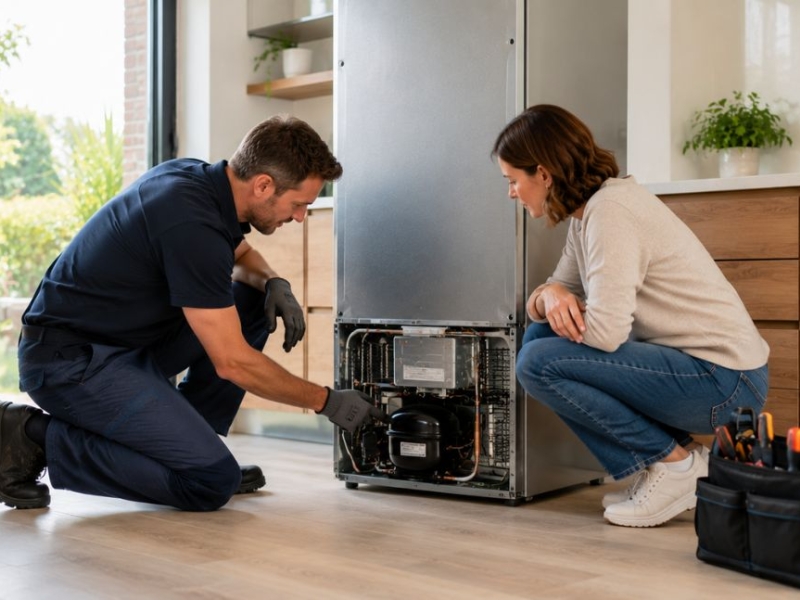
Preventive maintenance helps preserve equipment performance and minimize the risk of operational downtime.
In particular, it is recommended to:
- clean surfaces regularly;
- inspect the ventilation grilles;
- check the seals;
- monitor operating temperatures;
- follow the manufacturer’s recommendations.
Maintain good air circulation
Air circulation is essential for the proper operation of refrigeration equipment.
Blocked vents or improperly positioned equipment can reduce performance and increase energy consumption.
It is therefore important to ensure that the ventilation clearances specified during installation are maintained.
Monitor temperatures
Regular temperature monitoring helps ensure the quality of product preservation.
Proper monitoring also allows for the rapid identification of any operational variations.
Limit prolonged door openings
Every time the door is opened, warm air enters the equipment.
Proper storage organization helps limit unnecessary openings and maintain refrigeration performance.
Train staff on best practices
The longevity of equipment also depends on its daily use.
Raising staff awareness of best practices helps to:
- preserve the equipment;
- reduce energy consumption;
- maintain proper storage conditions;
- extend the lifespan of facilities.
Why plan ahead for periods of high activity?
Summer months, events, or peaks in activity can place heavy demands on refrigeration equipment.
A preventive inspection before these periods ensures that the busiest times are handled under the best possible conditions.
The benefits of preventive maintenance
Regular maintenance helps to:
- maintain performance;
- optimizing energy consumption;
- extend the equipment’s lifespan;
- reduce downtime;
- improve the reliability of the systems.
FAQ: Commercial Refrigeration Equipment
Why does commercial refrigeration equipment require regular maintenance?
Its intensive use exposes it to greater wear and tear and requires appropriate monitoring.
Why monitor temperatures?
Monitoring temperatures helps ensure proper product storage conditions.
Do the ventilation grilles need to be cleaned?
Yes. Proper air circulation helps ensure the equipment functions correctly.
Is preventive maintenance useful?
Yes. It allows you to anticipate certain repairs and maintain the performance of the systems.
In summary
Commercial refrigeration equipment is essential to the smooth operation of many food service businesses.
Regular upkeep, proper use, and preventive maintenance help preserve its performance and lifespan.
👉 Interfroid Services supports professionals in the maintenance and monitoring of their refrigeration, cooking, and dishwashing equipment throughout France.